
At senior level, writing a CV should get easier.
You have more experience, more achievements and far more evidence of what you can do.
In reality, that is often exactly what makes it harder.
Twenty years of experience. Promotions. Teams you have built. Businesses you have helped grow. Difficult periods you have managed through. Projects you are proud of. And perhaps a collection of job titles that made perfect sense internally but do not necessarily explain what you are capable of today.
After more than 20 years in recruitment, Andy Parke sees this regularly.
His advice is not to squeeze more onto the page. It is to make the right things impossible to miss.

Start With a Base CV. Then Earn the Right to Send It.
Andy recommends keeping a strong base CV: an accurate master version containing your career history, achievements and evidence.
But the base CV is the starting point, not the application.
Before sending it, read the advert and job description properly. Look at the essential and desirable criteria. If the employer wants someone who has managed a large team, led a transformation, worked across multiple sites or owned a particular commercial responsibility, and you have done it, make that obvious.
Do not make the reader hunt for the evidence.
That may mean rewriting the profile, moving a key achievement higher, changing the order of skills or adding context to your most relevant role.
Tailoring is not about changing who you are. It is about making the relevant version of your experience easier to see.
What Do You Want Them to Remember?
Before changing another word, ask yourself: what are the three or four things I want somebody to remember about me after reading this CV?
Now look at the document. Can they actually find them?
Good People Often Have Surprisingly Ordinary CVs
The frustrating CVs are not always the bad ones. They are the ones belonging to good people whose real achievements are hidden behind lists of responsibilities.
Someone will spend half a page describing their day-to-day duties and then, in conversation, casually mention that they rebuilt a struggling team, led an acquisition, implemented a system across five locations or retained a client relationship worth millions.
That is usually the moment Andy asks: why is that not on your CV?
Ask: What Changed Because I Was There?
- Did you grow revenue or margin?
- Reduce costs or risk?
- Build or restructure a team?
- Introduce a new system or process?
- Develop people who progressed?
- Enter a new market?
- Retain an important client?
- Navigate a difficult period?
- Influence a board or senior decision?
Not every answer needs a pound sign or percentage. But senior CVs need evidence of impact.
Responsibilities Tell Us the Job. Achievements Tell Us About You.
“Responsible for management accounts, budgeting, forecasting and management of the finance team.”
There is nothing technically wrong with it. But if you are an experienced Financial Controller, an employer probably expects those responsibilities.
Compare it with: “Led an eight-person finance team across five locations and redesigned the month-end process, reducing reporting from ten working days to six.”
Now we know scale, leadership, change and outcome.
Give Your Career Context
Senior job titles can be surprisingly unhelpful. A Head of Finance in an owner-managed business may have broader responsibilities than somebody with the same title in a much larger organisation.
- Size/nature of the organisation
- Who you reported to
- Team size
- Geographical remit
- Budget or commercial responsibility
- Scale of the operation
Sometimes one sentence completely changes how a role is understood.
Your Recent Experience Should Do the Heavy Lifting
If you have been working for 20 or 25 years, your first few roles do not need the same space as your current one. Give greater detail to recent, relevant experience and progressively reduce detail as you work backwards.
Sometimes experience gives you more to leave out, not more to put in.
Leadership Is Not a Keyword
Strategic. Commercial. Transformational. Results-driven. Leader.
Writing those words does not demonstrate them.
Show where you led through change, developed people, inherited a difficult situation, influenced others or made a decision that improved the business. Let the reader conclude that you are a leader from the evidence.
Do Not Forget the Job Search Around the CV
A strong CV is only one part of a senior job search.
Andy encourages candidates to use the network they already have. Former colleagues, clients, friends, family, professional groups, sports teams and other contacts may know where opportunities are developing before an advert ever appears.
Let people know what you are looking for. Be specific enough that they can recognise a useful introduction.
LinkedIn should support the same story. Keep the profile current, use Open to Work where appropriate, follow organisations you are interested in, comment thoughtfully and share useful experience or observations of your own.
And Follow Up
Do not assume pressing Apply is the end of your involvement.
Where there is an appropriate contact or route, a concise, positive follow-up can reinforce your interest and may give you useful information about the process. The objective is not to chase or pressure. It is to show professional interest.
What About AI?
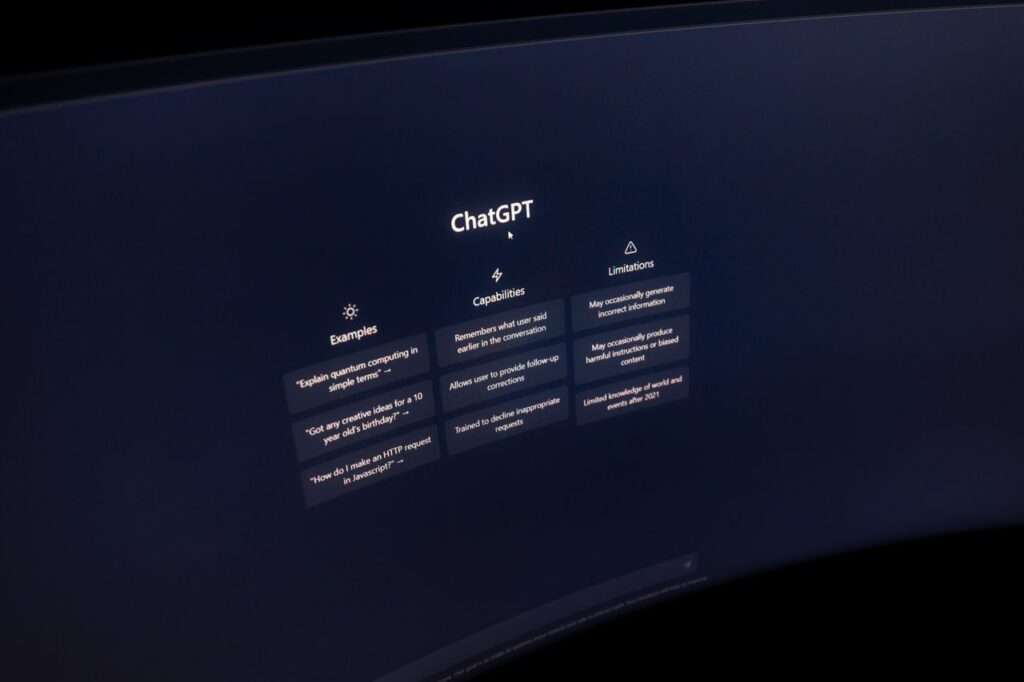
AI can help organise career notes, identify repetition, compare a CV with a job specification and tighten clumsy wording.
But give it too much freedom and twenty years of distinctive experience can quickly become the same generic language as everybody else.
Use AI as an editor and sounding board, not your biographer.
A useful prompt is: “I led the implementation of a reporting system across five branches and reduced month-end reporting from ten working days to six. Help me express this more clearly without exaggerating my role.”
Less useful: “Make me sound like an impressive Finance Director.”
Never allow AI to introduce an achievement, number or claim you could not comfortably explain when an interviewer asks, “Tell me how you did that.”
For more details on interview preparation please visit our How to Prepare for an Interview page.
The Human Bit Still Matters
AI only knows what you tell it. It does not know which achievement you are strangely modest about, what local employers value, which environments suit you or what comes alive when you talk about the work you are proudest of.
That is where an experienced recruiter or trusted adviser can add value.
Andy’s Five-Minute CV Test
- What am I genuinely very good at?
- What have I changed or improved in my last two roles?
- Where is the evidence?
- What does this particular employer say it wants, and have I made my matching experience obvious?
- What do I want to do more of next?
- Does my CV make those answers clear to somebody who has never met me?
Then give the CV to somebody you trust. Do not ask, “Is my CV good?” Ask, “Having read this, what do you think I am good at?”
If their answer bears little resemblance to yours, change the CV rather than explaining what you meant.
Your CV Does Not Need to Get You the Job
Its job is to create enough interest for somebody to want a conversation.
Open the door. Then let your experience, judgement, personality and the conversation that follows do the rest.
Need Another Pair of Eyes?
Parke Lane People supports experienced professionals across Finance, HR, Marketing, Admin and Operations. If you are considering your next move and would value an informal, confidential conversation about your CV, positioning or the market, speak to Andy.
For furher guidance please visit our CV Writing Advice: Presenting the Best Version of Your Experience page.