
Sometimes the difficult decision isn’t whether to give something up.
It’s recognising that you might need to change your relationship with something you still love.
For Andy Parke, Founder of Parke Lane People, that something was cricket.
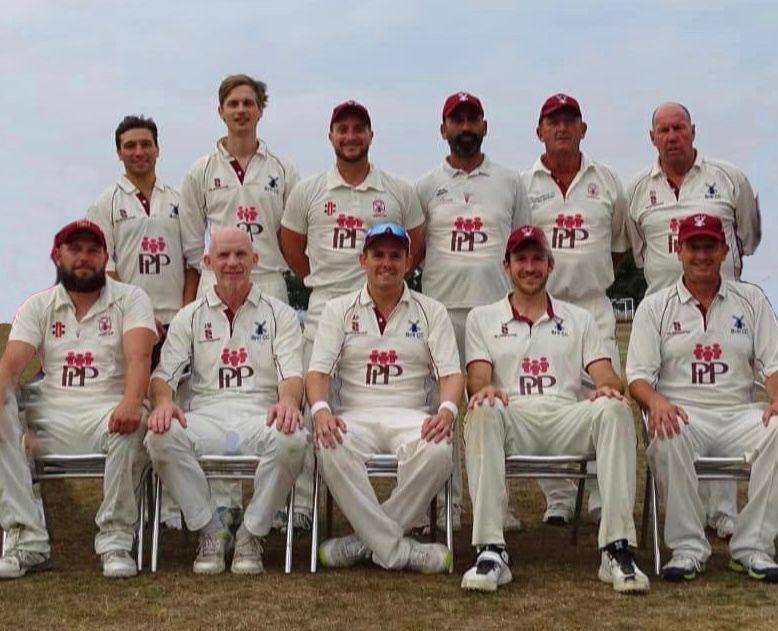
This year was Andy’s 12th season as captain of Brill Cricket Club. Cricket had been a significant part of his life for years, and captaincy came with responsibility to the club, the team and the people around him.
But gradually, something had changed.
There wasn’t one dramatic moment. Andy had been injured. There were pressures on his time. Parke Lane People had been through significant changes and restructuring. There were personal pressures too. Cricket itself was becoming harder.
“I had lost some of the enjoyment. I was batting in the middle order, wasn’t scoring the runs I knew I could score and was putting more and more pressure on myself. Something that had always been an escape was starting to feel like another pressure.”
That is an interesting point because it can happen in our working lives too. A leadership position or responsibility can be something we have worked hard to achieve. We become known for it and other people rely on us. When it stops feeling right, stepping away can feel remarkably difficult.
When pressure starts affecting performance
There can be a strange cycle around performance. You know what you’re capable of. You’re conscious that you’re not currently achieving it. You try harder because it matters. And the harder you try, the more pressure you create.
For Andy, that was becoming very literal every time he walked out to bat.
He spoke to
Rebecca Lisi about the anxiety and brain fog he was experiencing at the crease. Their conversations included breathing exercises, visualisation and techniques intended to help him manage his response to pressure.

A therapist’s perspective
Rebecca Lisi, Integrative Psychotherapist
When something matters deeply to us, it’s natural to try harder when it isn’t going well. The difficulty is that pressure doesn’t only affect how we feel; it changes how the body and brain work. As the stakes rise, the nervous system reads the situation as a threat. Heart rate goes up, breathing becomes quicker and shallower, muscles tighten, and attention narrows towards whatever feels dangerous, which is often the fear of failing.
There’s another layer too. Skills we’ve practised for years, such as batting, presenting or leading a meeting, usually run smoothly without much conscious thought. Under pressure, we start watching and analysing ourselves as we perform. That self-monitoring interferes with skills that normally flow, which is why people describe feeling clumsy, foggy or ‘not themselves’ in the very moments they most want to do well. And when performance starts to feel tied to our sense of worth, every innings or every meeting becomes a verdict on who we are, which raises the pressure further.
Breathing and visualisation work on different parts of that cycle. Slow breathing, particularly making the out-breath longer than the in-breath, works directly on the body’s stress response. The vagus nerve is a major nerve connecting the brain with the heart, lungs and gut, and it’s a key part of the system that helps us settle after stress. A slow exhale naturally slows the heart, and practising this regularly gives the body a reliable way back to a calmer state. It isn’t a switch that makes anxiety disappear, but it can take the edge off enough to think clearly.
Visualisation works on the mind’s side. Mentally rehearsing a situation uses many of the same brain networks as doing it for real, so imagining yourself walking out calmly, settling in and playing your natural game helps the situation feel more familiar and less threatening when it arrives. I encourage people to rehearse how they want to feel, not only the outcome they want, because feeling steady is something you can practise, whereas a score or a result never fully is.
The moment something clicked
Around the same period, Andy saw Ben Stokes step away from the England captaincy. The circumstances were obviously completely different, but seeing an elite sportsman recognise that a leadership role needed to change resonated with him.
It prompted a much more personal question: did Andy want to stop playing cricket, or did he simply no longer want to carry the captaincy?
Those are very different decisions.
Andy eventually stepped down as Brill captain. But he didn’t stop playing.
The runs came back, but so did something more important
After stepping away from the captaincy, Andy started scoring again. There was a 25, then a 20, then his first century in years and, more recently, 86 not out.
It would make a wonderfully neat story to say that stepping down and doing a few breathing exercises suddenly made Andy a better batsman. Life doesn’t work quite that neatly, and neither Andy nor Rebecca would make that claim.
There were several things happening together: support, reflection, practical techniques, less leadership pressure and a change in Andy’s relationship with the game.
“The weight had gone. I was enjoying cricket again. I was contributing to the team without feeling that I had to carry everything else with it.”
Perhaps the runs are less important than that sentence.
Stepping back isn’t giving up
Rebecca Lisi, Integrative Psychotherapist
We often tell ourselves that stepping back means giving up, particularly when a role has become part of our identity and other people rely on us. But the thing we love and the responsibilities we carry around it aren’t always the same thing. Sometimes the love of the work, or the game, is still there, just buried under expectation, obligation and the weight of holding everything together for everyone else.
When one significant source of pressure is removed, there’s often more space to reconnect with why we started. The activity can become something we choose again, rather than something we have to get right. And a nervous system that isn’t constantly braced for the next demand is usually freer to perform, create and enjoy.
Stepping back works best when it’s a considered choice rather than an escape from a bad week. The helpful question isn’t ‘Should I quit?’ but ‘What exactly is weighing on me, and which part do I want to keep?’ Answering that honestly takes courage, and I see it as a sign of self-awareness rather than a lack of commitment.
What does this have to do with work?
Quite a lot, potentially.
Recruitment tends to focus on progression: the next job, promotion, salary increase or bigger team. But after more than 20 years talking to people about their careers, Andy knows that progression isn’t always upward.
Sometimes someone no longer wants to manage 30 people. Sometimes the senior title isn’t compensating for what the role is taking out of them. Sometimes somebody wants to remain in their profession but change the environment.
And sometimes the thing that looks like a backward step on LinkedIn is actually a very sensible step forward in life.
That doesn’t mean making an impulsive decision because you’ve had a difficult month. It means being prepared to ask an uncomfortable question:
Is it the thing I no longer enjoy, or the way I’m currently doing it?
For Andy, the answer wasn’t cricket. It was captaincy. Twelve seasons was enough. Once he’d worked that out, he could get back to enjoying the game.
Career decisions aren’t always about finding the next promotion. If you’re questioning what you want from your next role and would value an informal, confidential conversation, speak to Andy at Parke Lane People.